- Insights from Dr Sue Wilkinson
- Article
Building Cognitive Tolerance in a Neurotypical World

When we hear the word ‘tolerance’, what comes to mind? It probably makes us think about endurance, putting up with something that is not convenient, or something that is unfamiliar or outside our comfort zones. It also makes us think about having to ‘bite our tongue’ or quietly accept something because we feel that we have no choice.
As we contemplate International Day for Tolerance, we should perhaps be asking ourselves whether merely tolerating neurodiversity is enough. Should we instead be challenging the system that is forcing neurodivergent people to exhaust themselves trying to fit into a neurotypical world?
For people with autism, ADHD and other neurodivergent traits, living in a world built entirely for neurotypical brains often comes with an invisible daily tax. That tax is called masking.
What is masking and why is it so exhausting?
Masking is when people consciously or unconsciously suppress their natural traits and behaviours to fit into a neurotypical environment. To an outsider, the neurodivergent person looks “fine”. But beneath the surface, a huge amount of cognitive and emotional energy is often expended every minute.
Masking could be having to force eye contact even when it feels uncomfortable, suppressing movements – stimming – that help with reducing stress levels (such as foot tapping or pacing), rehearsing social scripts before speaking, mimicking facial expressions and body language to appear normal, and pushing through sensory overload without complaining.
While the ability to mask can serve as a survival tool or a means of avoiding exclusion, it almost always comes at a severe cost. It is a primary contributor to burnout (physical, mental and emotional exhaustion that leaves people feeling drained of confidence, energy and skills).
If an environment requires masking for someone to be accepted, this environment is not tolerant; it is merely demanding conformity.
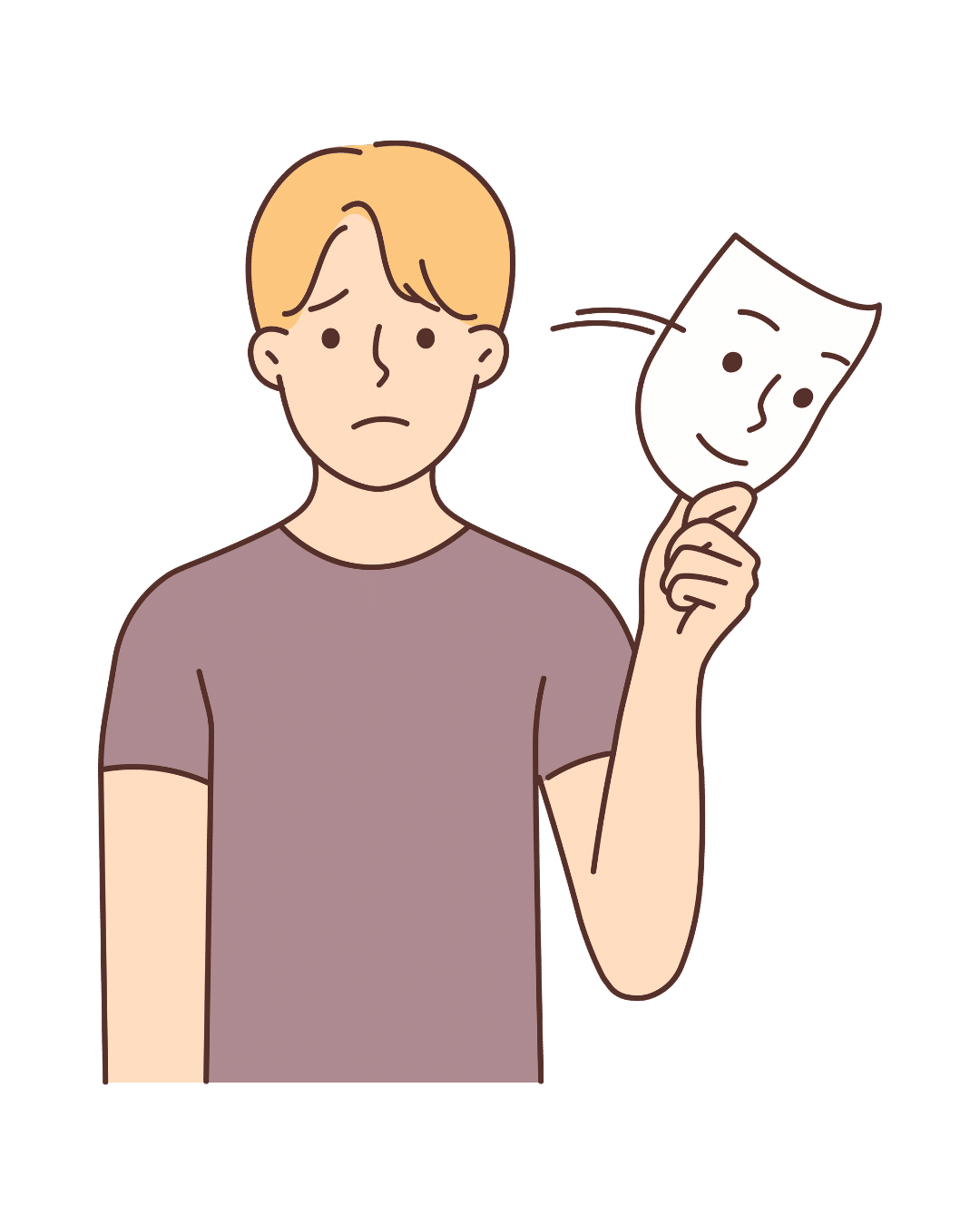

Move from tolerance to acceptance
True tolerance viewed through the lens of neurodiversity cannot be passive acceptance. It must include psychological safety and active inclusion. On this International Day for Tolerance, let us shift our focus from asking how we can help neurodivergent people fit into established systems to asking how we can redesign our systems so that people do not have to hide behind masking behaviours and can reveal who they really are.
How can we do this in practice?
Destigmatise different working and learning styles – recognise that focus does not necessarily mean sitting silently at a desk for eight hours. Allow asynchronous communication, flexible working arrangements, and sensory accommodations such as noise-cancelling headphones.
Accept non-traditional communication – understand that a lack of eye contact does not mean a lack of engagement or attention. Understand that written communication or processing time is often when brilliant minds do their best thinking.
Drop performance pressure – create a culture where people feel safe enough to drop their mask. If they do not have to waste energy on pretending to be neurotypical, that energy is freed up for creativity and problem-solving.
True tolerance is not keeping the peace while someone forces themselves to fit in. It is about building spaces large enough and flexible enough to accommodate everyone and allow everyone to stop performing or pretending. We do not need people wearing masks to fit a mould; we need authentic, innovative and brilliant minds that appear when we give people the safe space to be themselves.
Frequently asked questions
What is International Day for Tolerance?
International Day for Tolerance promotes understanding, respect and acceptance of differences, including how people think, communicate and experience the world.
Why is tolerance important in the workplace?
Tolerance helps create workplaces where differences are respected. Moving beyond tolerance towards genuine acceptance can help employees feel comfortable being themselves.
How can workplaces promote tolerance and inclusion?
Employers can encourage different working styles, offer flexible arrangements and respect individual communication needs to create more inclusive working environments.