- Disability Awareness
- Insights from Dr Sue Wilkinson
- Article
Disabled Is Not a Bad Word: Why the Language We Use Around Disability Matters
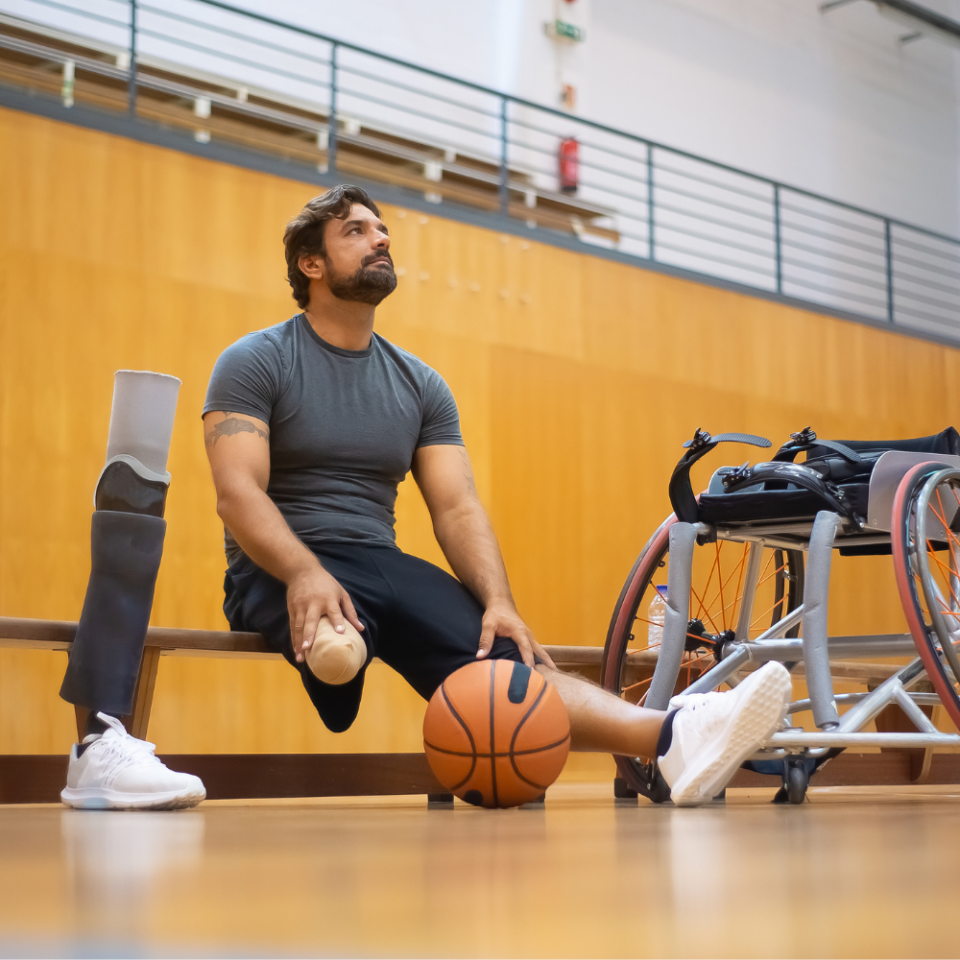
In July, Disability Pride Month invites us to celebrate the diversity, history, and achievements of the disability community. It offers an opportunity to challenge long-held biases.
However, when we talk about eliminating the stigma surrounding disability, we often focus on physical infrastructure, for example, building ramps, installing automatic doors, or adding captions to audio. While accessibility is, of course, essential, another, more subtle barrier requires equal attention. This barrier is the language we use every day.
Language not only reflects our reality; it shapes it. The words, phrases, and euphemisms we choose when speaking about disability reveal deeply rooted societal assumptions. If we genuinely want to erase stigma, we need to start by considering the vocabulary we use.
The Trap of the Euphemism: Why "Special Needs" Isn't Helping
When people feel uncomfortable around a topic, they invent softer alternatives. In conversation, words like “differently abled,” “special needs,” or “special abilities” are often used to replace the word “disabled.”
While usually well-intentioned, these euphemisms often achieve the opposite of their goal, and here’s why:
- They enforce taboos: Avoiding the word “disabled” implies that disability is something shameful or something that should not be named directly.
- They obscure actual rights: Human needs are universal (food, shelter, safety, education, employment, and community). A student needing accessible materials or a worker needing flexible hours does not have “special” needs; they have standard needs that require equal access.
The Takeaway: “Disabled” is not a slur, an insult, or a word that should be avoided. It is a neutral descriptor of human diversity, a legal status, and a proud identity shared by millions of people worldwide.
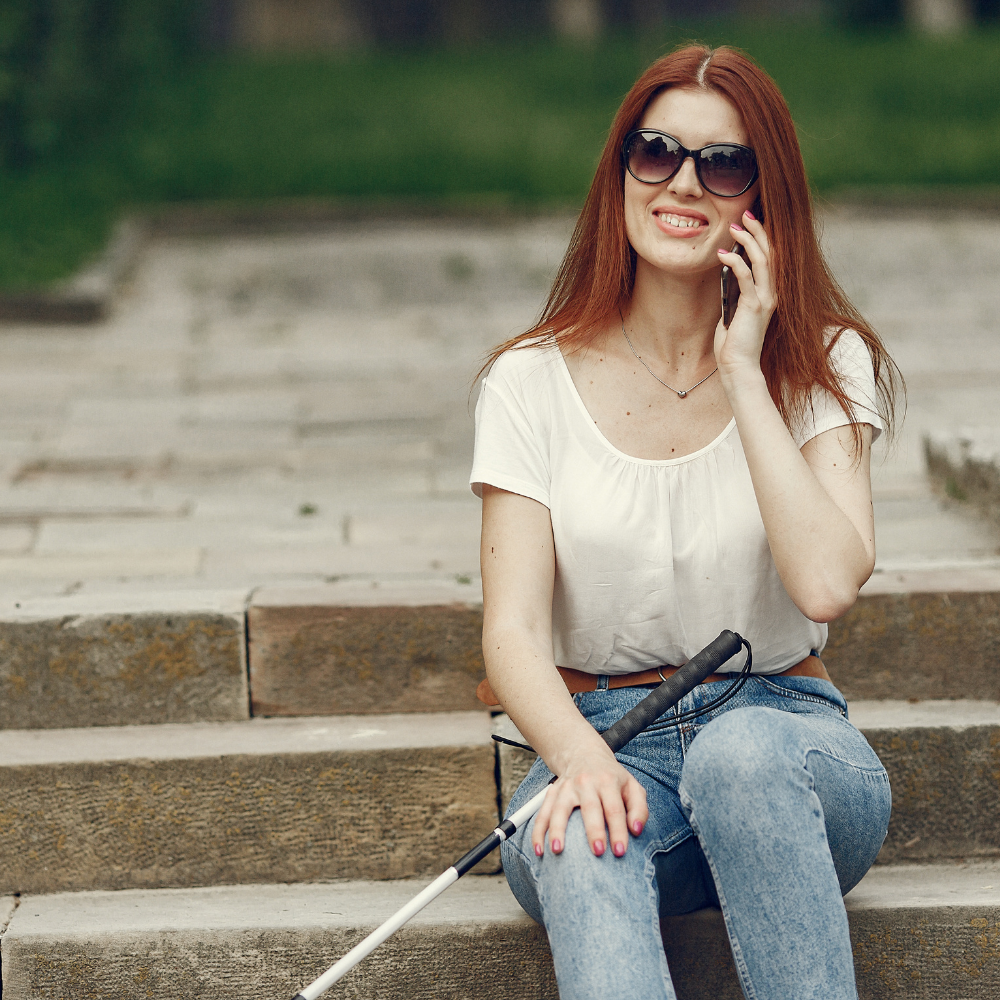
Identity-First vs. Person-First: Listening to the Community
For years, many educators and institutions were trained to strictly use person-first language (“person with autism” or “person who uses a wheelchair”) to emphasise the individual over their condition.
However, many disabled advocates (particularly within the Autistic and Deaf communities) strongly prefer identity-first language (“Autistic person” or “Deaf person”). For many people, disability is not an accessory they carry around. Rather, it is an intrinsic part of how they process, navigate, and experience the world.
There is, of course, no single consensus on this. The goal isn’t to memorise a rigid set of rules, but to default to individual preference. When in doubt, mirror the language a person uses for themselves, or simply ask them what they prefer. Respecting someone’s self-description is one of the easiest ways to demonstrate genuine understanding and acceptance.
Unpacking Casual Ableism in Daily Speech
Casual ableism is baked into the way most of us talk without even realising it. Just think about how often everyday insults or exaggerations rely on disability terms:
"Are you blind/deaf? It’s right there!"
"That decision was so lame."
"I’m so OCD about keeping my desk clean."
"That driver is acting crazy/insane."
Using medical diagnoses or physical impairments as synonyms for bad, foolish, unorganised, or frustrating behaviour only serves to trivialise real lived experiences. Phrasing like “that’s ridiculous” or “that’s unreasonable” conveys the same point without relying on casual ableism. This simple shift in language helps reduce the stigma.
Shifting from “Inspiration” to Equity
Media stories still fall into the trap of treating ordinary life as an extraordinary feat – glorifying things like going to work, running errands, or attending prom with a disability as “heroic” or “inspiring.”
While usually intended as a compliment, praising someone simply for existing or navigating daily life with a disability can backfire:
It reinforces low expectations: Treating routine activities as remarkable achievements implies an assumption that disabled people are naturally less capable or not expected to be able to go out and live life.
It misses the real problem: Praising someone for “overcoming the odds” puts the burden on the individual rather than society. It glosses over the actual obstacles in their way, from inaccessible buildings to biased hiring practices.
Real respect isn’t about feel-good inspiration; it’s about equity. Disabled people deserve to be recognised for their actual talents, ideas, and achievements, not used as a heartwarming pep talk for non-disabled people.
Language Builds the World We Live In
Changing the way we talk is one of the simplest, most powerful ways to tear down those barriers. When we stop using polite euphemisms and casual slang, and just say “disabled” without flinching, we create a culture that accepts disability for what it really is – a completely normal, meaningful part of being human.
Creating a more inclusive workplace starts with understanding the barriers disabled and neurodivergent people may face. Disability awareness training can help teams recognise ableism, use more inclusive language and respond with greater confidence and understanding. Remtek Workplace provides further guidance on disability awareness and inclusive workplace practices.
Frequently asked questions
Is it acceptable to use the word “disabled”?
Yes. “Disabled” is a neutral and widely accepted term. It is also a legal description and an identity many disabled people use proudly. When referring to an individual, respect the language they prefer.
Why should we avoid terms like “special needs”?
Terms such as “special needs” can make disability sound unusual or uncomfortable to discuss. Clear language helps recognise disabled people’s rights and access requirements.
What is ableism?
Ableism is discrimination, prejudice or negative assumptions about disabled people. It can appear in language, attitudes, workplace practices and inaccessible environments.